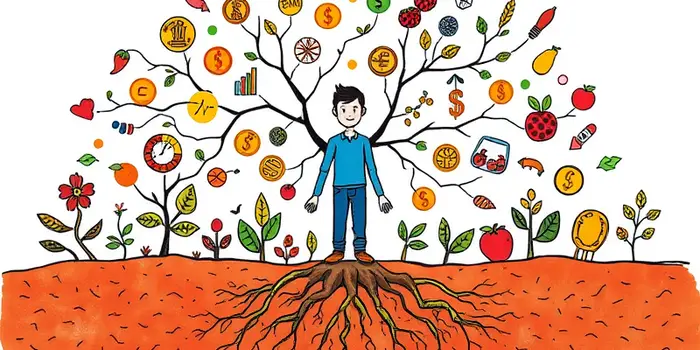
In today’s shifting economic landscape, understanding how various factors interact to shape your financial life is more important than ever. The Personal Financial Ecosystem framework offers a holistic roadmap to financial wellness, guiding you from foundational beliefs to tangible outcomes.
Whether you’re just starting out or approaching retirement, this article will help you design a resilient, adaptable financial ecosystem that thrives through life’s changes.
Imagine your financial life as a garden. The soil in which plants grow represents foundational factors: family influences, cultural values, socioeconomic context, and geography.
These elements are shaped by upbringing, community norms, and even neighborhood infrastructure. According to NEFE, these factors determine available resources and mindset that underpin every financial decision.
For example, someone raised in a multigenerational household may inherit attitudes toward saving and sharing resources, while another person’s risk tolerance might stem from early exposure to economic instability.
Once your soil is prepared, roots must take hold. In the financial realm, roots are your knowledge and tools:
Barriers such as living in unbanked areas or lacking affordable services can stunt growth. Community classes, online tutorials, and fintech apps serve as critical tools to bridge these gaps.
With strong roots established, your financial ecosystem produces fruit: actions and outcomes. This cycle begins with mindset and available choices, leading to decisions like saving, investing, or borrowing.
Actions yield both objective results (credit scores, net worth, debt levels) and subjective feelings (confidence, satisfaction). External shocks—health emergencies, layoffs, market downturns—can prune branches unexpectedly.
Resilience comes from feedback loops: learning from setbacks, adjusting strategies, and reinforcing positive behaviors. Over time, your ecosystem adapts to new conditions, enabling sustainable growth.
Financial well-being goes beyond numbers. The CFPB identifies four core elements that reflect true wellness:
Use credit score ranges, savings rates, and personal surveys to gauge where you stand. For instance, only 41% of Americans feel very confident handling a major expense, highlighting widespread room for improvement.
To evolve your ecosystem, identify catalysts that spark growth:
Each catalyst acts like sunlight or fertilizer, encouraging healthier financial habits and greater resilience.
Countless resources are at your disposal. From free online courses to professional advisors, choose supports that align with your stage of life and unique goals.
Technology innovations—AI-powered advice, robo-advisors, credit-building platforms—can enhance decision-making and simplify complex tasks. Combine these with human guidance from coaches or community groups for balanced, personalized support.
Your ecosystem must evolve as your needs shift. Consider these stages:
Each stage demands tailored strategies. Learning to pivot with intention is key to long-term success.
Ready to take action? Follow this roadmap:
By treating your finances as an interconnected ecosystem rather than isolated tasks, you cultivate sustained health, flexibility, and growth.
Designing a personal financial ecosystem is both an art and a science. It requires self-reflection, knowledge-building, strategic action, and openness to change.
As you nurture each layer—from foundational beliefs to practical tools—you empower yourself to weather storms, seize opportunities, and reach meaningful goals.
Embrace this comprehensive approach and watch your financial garden flourish for years to come.
References